
One of the first questions buyers ask when contacting a custom hat manufacturer is:
“What is your MOQ?”
MOQ, or Minimum Order Quantity, is the smallest quantity a manufacturer is normally willing to produce for a specific order.
But choosing the right order quantity is more complicated than simply finding the factory with the lowest MOQ.
For a new brand, ordering too many hats can create inventory pressure. Ordering too few may increase the unit cost or limit your material and customization options.
The better question is:
How many custom hats should you order for your current stage of business?
Understanding how MOQ works can help you balance cost, customization, inventory risk, and future growth.
MOQ refers to the minimum number of units required for a production order.
However, MOQ is not always one fixed number.
A manufacturer may have different minimum quantities depending on:
For example, customizing an existing baseball cap structure with embroidery may have a different MOQ from developing a completely new cap using custom-dyed fabric and specially designed hardware.
That is why buyers should discuss product requirements before comparing MOQ numbers between manufacturers.
MOQ exists mainly because manufacturing involves setup costs that remain relatively similar whether the factory produces a small or large quantity.
Fabric suppliers often have their own minimum purchasing requirements.
Standard fabrics may be available in smaller quantities, while custom colors, specialty fabrics, or recycled materials may require larger production runs.
Embroidery, screen printing, patches, and other decoration methods require preparation before production.
For embroidery, for example, the logo artwork must first be converted into an embroidery file and the machine must be prepared for production.
Cutting, sewing, embroidery, finishing, and packaging all require production planning.
When the quantity is extremely small, these setup costs are divided among fewer products, increasing the cost per hat.
This is why low MOQ does not always mean lower overall value.
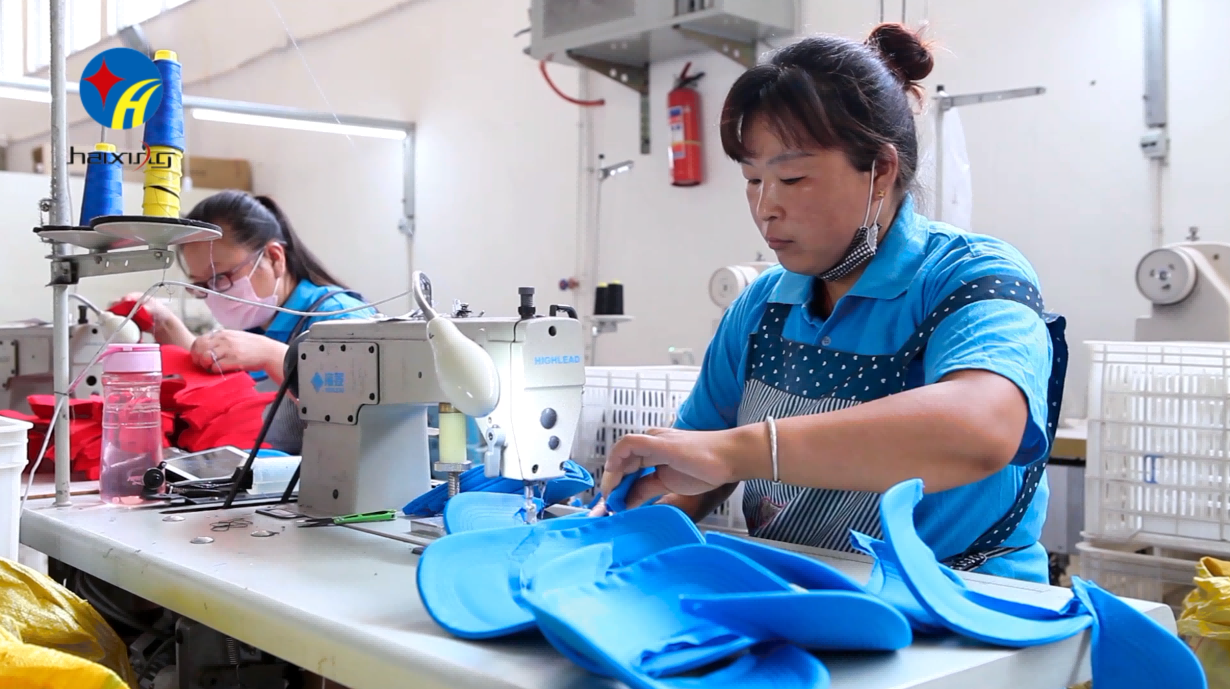
Several factors can change the minimum order quantity.
A standard baseball cap may be easier to produce in smaller quantities than a completely custom-developed hat structure.
More complex designs usually require additional production preparation.
Using available stock fabric can often make smaller production runs easier.
Custom fabric development, custom dyeing, or specialized sustainable materials may require higher quantities.
Buyers should always ask whether the MOQ applies:
per order, per design, or per color.
For example, ordering 300 hats in one color may be much easier to produce than splitting the same quantity across six different colors.
Embroidery, woven patches, leather patches, printing, and other decoration techniques have different setup requirements.
Complex branding can therefore affect both MOQ and unit cost.
Special buckles, labels, hangtags, boxes, and other private label packaging may come from separate suppliers with their own MOQs.
This is often overlooked when buyers calculate their initial order quantity.

There is no single quantity that is right for every brand.
The best order quantity depends on what you are trying to achieve.
A smaller production run can make sense when:
The main advantage is lower inventory risk.
However, smaller orders usually have a higher unit cost.
Once a product has shown consistent demand, increasing the order quantity may improve production efficiency and reduce unit costs.
This can be suitable for brands that already understand:
Larger production runs usually make more sense for proven products with predictable demand.
They may provide:
But buyers should avoid ordering large quantities only to achieve a lower unit price.
Unsold inventory can cost far more than the savings gained from cheaper production.
Not necessarily.
A very low MOQ may look attractive, especially for startups, but buyers should understand the trade-offs.
Low-quantity orders may involve:
Therefore, the goal should not be to find the lowest possible MOQ.
The goal is to find a production quantity that matches your business stage while still allowing the manufacturer to meet your product requirements.
Instead of copying another brand's order quantity, consider four factors.
Estimate realistic demand based on your sales channel, audience size, and previous product performance.
A 500-piece order becomes much more complicated when divided across multiple:
Too many SKUs can create slow-moving inventory.
For a completely new design, starting with a manageable production run can help collect customer feedback before scaling.
Ask your manufacturer about lead times and repeat-order requirements.
If successful products can be replenished efficiently, you may not need to hold excessive inventory from the beginning.
Instead of asking only, “What is your MOQ?”, buyers should ask more specific questions:
These questions provide much more useful information when comparing manufacturers.
One common mistake is choosing a supplier only because they advertise the lowest MOQ.
MOQ should be evaluated together with:
Another mistake is requesting a quotation without providing enough product information.
A manufacturer cannot accurately evaluate MOQ and pricing from a logo alone.
Providing details about your hat style, materials, colors, decoration, quantity, and packaging will usually result in a much more accurate production proposal.
There is no universal MOQ. It depends on the manufacturer, hat style, materials, customization requirements, and production process.
Usually yes, but manufacturers may set a minimum quantity per color. Confirm this before finalizing your order.
Setup, material sourcing, embroidery preparation, and production planning create fixed costs. With smaller orders, these costs are divided across fewer hats.
Not always. Startups should balance inventory risk with unit cost, product quality, and customization requirements rather than focusing only on MOQ.
MOQ is more than a factory requirement. It is an important part of your sourcing and inventory strategy.
For new brands, a smaller order can reduce the risk of testing an unproven product. For growing brands, increasing quantities may improve costs and customization options. For established products, larger production runs can improve manufacturing efficiency.
The right question is therefore not simply:
“Which manufacturer has the lowest MOQ?”
Instead, ask:
“Which order quantity gives my brand the right balance between cost, customization, and inventory risk?”
A reliable custom hat manufacturer should help you understand these trade-offs before bulk production begins.
If you are planning a custom hat project and are unsure what order quantity is suitable, contact Aoyou with your design, target quantity, materials, and customization requirements.
Our team can evaluate your project and help you choose a practical production solution based on your product and market needs.